Retirement Organization
by Admin
Posted on 01-07-2025 06:45 AM
Understanding Retirement Goals
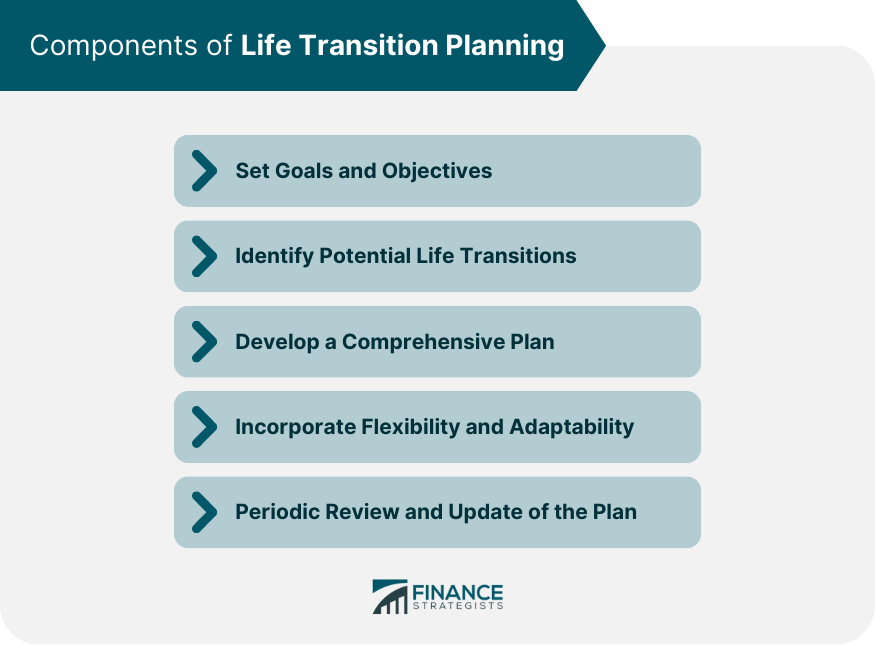
Understanding one's retirement goals is the foundation of a successful retirement organization plan. It's essential to define what retirement means to you, what you want to achieve, and what kind of lifestyle you want to maintain. This could include traveling, spending time with family and friends, pursuing hobbies, or simply enjoying a relaxed pace of life. By setting clear goals, individuals can create a roadmap for their retirement and make informed decisions about their finances, healthcare, and other aspects of their life.
Financial Planning
Financial planning is a critical component of retirement organization. It involves creating a sustainable income stream, managing expenses, and ensuring that one's retirement savings can last throughout their golden years. This includes estimating retirement expenses, creating a budget, and investing in a diversified portfolio of assets. Individuals should also consider factors such as inflation, taxes, and healthcare costs when creating their financial plan. A well-planned financial strategy can help retirees maintain their standard of living, pursue their passions, and enjoy their retirement without financial stress.
Investing for Retirement
Investing for retirement is a key aspect of financial planning. It involves creating a diversified portfolio of assets, such as stocks, bonds, and real estate, to generate a steady income stream. Individuals should consider their risk tolerance, investment horizon, and financial goals when selecting investments. It's also essential to regularly review and rebalance one's portfolio to ensure that it remains aligned with their retirement goals. Additionally, individuals should consider tax-advantaged retirement accounts, such as 401(k) or IRA, to optimize their savings and minimize taxes.
Managing Retirement Expenses
Managing retirement expenses is crucial to ensuring that one's retirement savings can last throughout their golden years. This involves creating a budget, tracking expenses, and identifying areas for cost reduction. Individuals should consider factors such as housing, healthcare, food, and transportation when estimating their retirement expenses. By managing expenses effectively, retirees can maintain their standard of living, pursue their passions, and enjoy their retirement without financial stress.
Healthcare Planning
Healthcare planning is another critical component of retirement organization. It involves creating a plan to ensure access to quality healthcare, managing chronic conditions, and navigating the complexities of the healthcare system. Individuals should consider factors such as health insurance, long-term care, and end-of-life care when creating their healthcare plan. By planning ahead, retirees can ensure that they receive the medical care they need, maintain their health and well-being, and enjoy their retirement with peace of mind.
Navigating the Healthcare System
Navigating the healthcare system can be complex and overwhelming, especially for retirees. It's essential to understand the different types of health insurance, including Medicare, Medicaid, and private insurance. Individuals should also be aware of the various healthcare options, such as hospitals, clinics, and home care, and know how to access them. By being informed and prepared, retirees can navigate the healthcare system with confidence and receive the medical care they need.
Lifestyle Planning
Lifestyle planning is a critical aspect of retirement organization. It involves creating a plan to ensure a fulfilling and engaging retirement, taking into account factors such as social connections, hobbies, and personal interests. Individuals should consider activities such as volunteering, traveling, and learning new skills to stay active, engaged, and connected. By planning ahead, retirees can create a lifestyle that is meaningful, purposeful, and enjoyable.
Staying Connected and Engaged
Staying connected and engaged is essential for a fulfilling retirement. Individuals should consider activities such as joining social clubs, volunteering, and participating in community events to stay connected with others. By maintaining social connections and pursuing hobbies and interests, retirees can stay active, engaged, and connected, and enjoy their retirement with purpose and meaning.
Tax Planning
Tax planning is another critical component of retirement organization. It involves creating a plan to minimize taxes, optimize retirement income, and ensure compliance with tax laws and regulations. Individuals should consider factors such as tax-deferred savings, tax-loss harvesting, and required minimum distributions when creating their tax plan. By planning ahead, retirees can minimize their tax liability, maximize their retirement income, and enjoy their retirement with financial peace of mind.
Conclusion
Retirement organization is a critical aspect of planning for one's golden years. By creating a comprehensive plan that takes into account financial, healthcare, lifestyle, and tax planning, individuals can ensure a comfortable, secure, and fulfilling retirement. It's essential to start planning early, be flexible, and regularly review and update one's plan to ensure that it remains aligned with their retirement goals.
For more information on minimalism and simple living, you can visit websites like https://downsizingdiaries.com/, which offers valuable insights and tips on how to adopt a more minimalist lifestyle.
FAQs
What is the best way to start planning for retirement?
The best way to start planning for retirement is to define your retirement goals, estimate your retirement expenses, and create a comprehensive plan that takes into account financial, healthcare, lifestyle, and tax planning.
How much money do I need to save for retirement?
The amount of money you need to save for retirement depends on your individual circumstances, including your retirement goals, expenses, and lifestyle. A general rule of thumb is to save at least 10% to 15% of your income towards retirement.
What are the different types of retirement accounts?
The different types of retirement accounts include 401(k), IRA, Roth IRA, and annuities. Each type of account has its own unique features, benefits, and tax implications.
How can I ensure that my retirement savings will last throughout my golden years?
To ensure that your retirement savings will last throughout your golden years, it's essential to create a sustainable income stream, manage expenses, and regularly review and update your retirement plan. Additionally, consider factors such as inflation, taxes, and healthcare costs when creating your plan.
What is the importance of healthcare planning in retirement?
Healthcare planning is critical in retirement, as it involves creating a plan to ensure access to quality healthcare, managing chronic conditions, and navigating the complexities of the healthcare system. By planning ahead, retirees can ensure that they receive the medical care they need, maintain their health and well-being, and enjoy their retirement with peace of mind.